Do You Know Something We're Missing?
This page will always be a work in progress. If you know a story, have an old photo, a link to a Facebook post, or a website that belongs here, we'd love to include it — with your name attached, if you'd like.
Add to This Page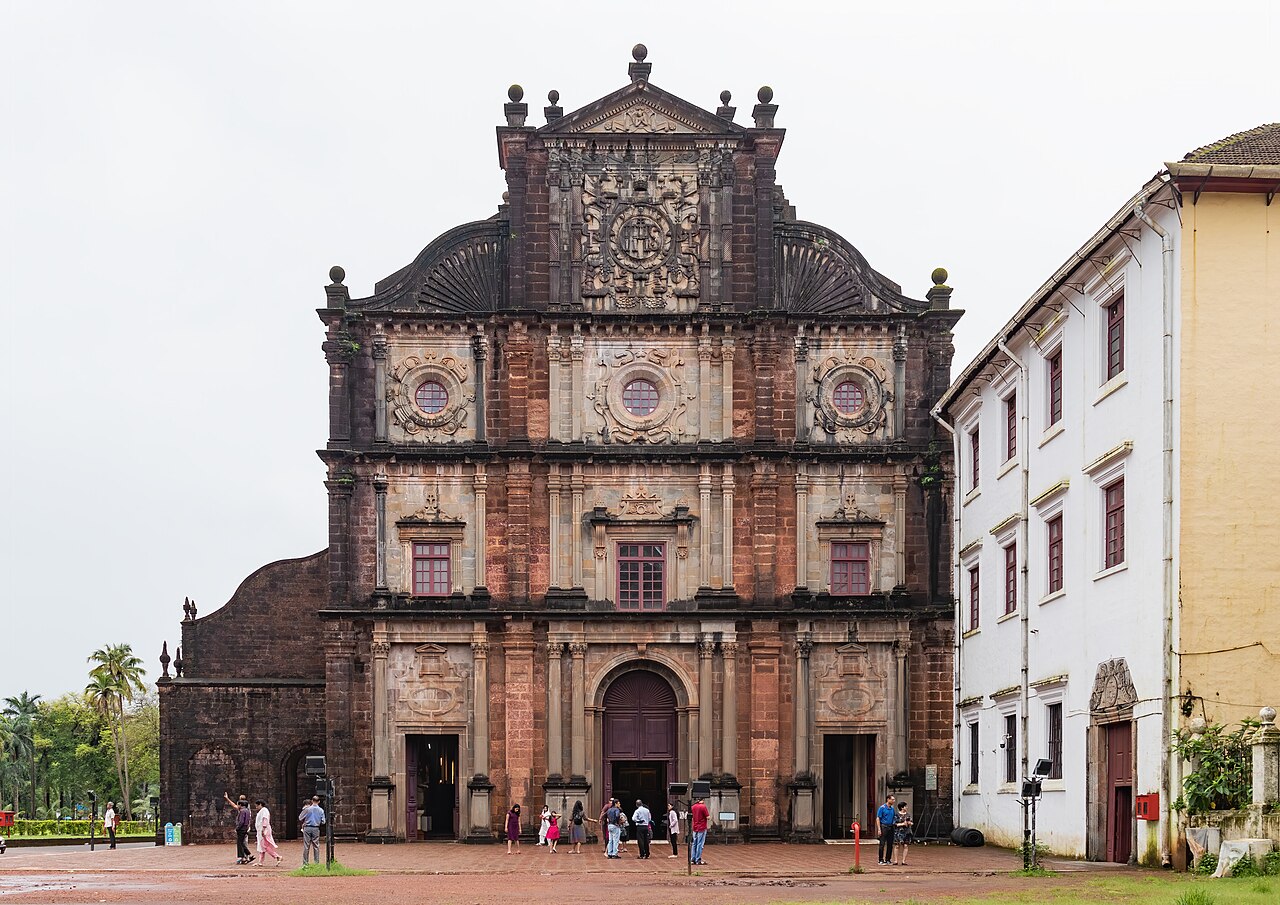
Our History
Goa was the capital of the Estado da Índia, the Portuguese State of India, founded seven years after Vasco da Gama's sea route to India was discovered. Its capital served as the governing centre for a string of Portuguese military forts and maritime ports along the Indian Ocean coast, and Goa remained under Portuguese rule until 1961 — one of the longest colonial presences in India.
Old Goa's Basilica of Bom Jesus, now a UNESCO World Heritage Site, holds the body of St Francis Xavier and remains the spiritual heart of Goan Catholic identity. The Portuguese period also brought the Goa Inquisition, a difficult chapter that enforced Catholic orthodoxy, alongside centuries of cultural exchange that shaped a distinct Indo-Portuguese identity still visible in Goa's architecture, surnames, food and faith today.
Sources: Wikipedia — Portuguese India, Basilica of Bom Jesus, Goa Inquisition. Photo: I.Mahesh, CC BY-SA 4.0, via Wikimedia Commons.
Culture & Traditions
Goans are Konkani people — an Indo-Aryan ethnolinguistic group native to the Konkan coast, speaking dialects of the Konkani language. Goan identity blends Indo-Aryan, Dravidian, Indo-Portuguese and Austro-Asiatic influences into something distinct from the rest of India: village feasts, church confraternities, and a strong tradition of music and dance that runs through everyday life.
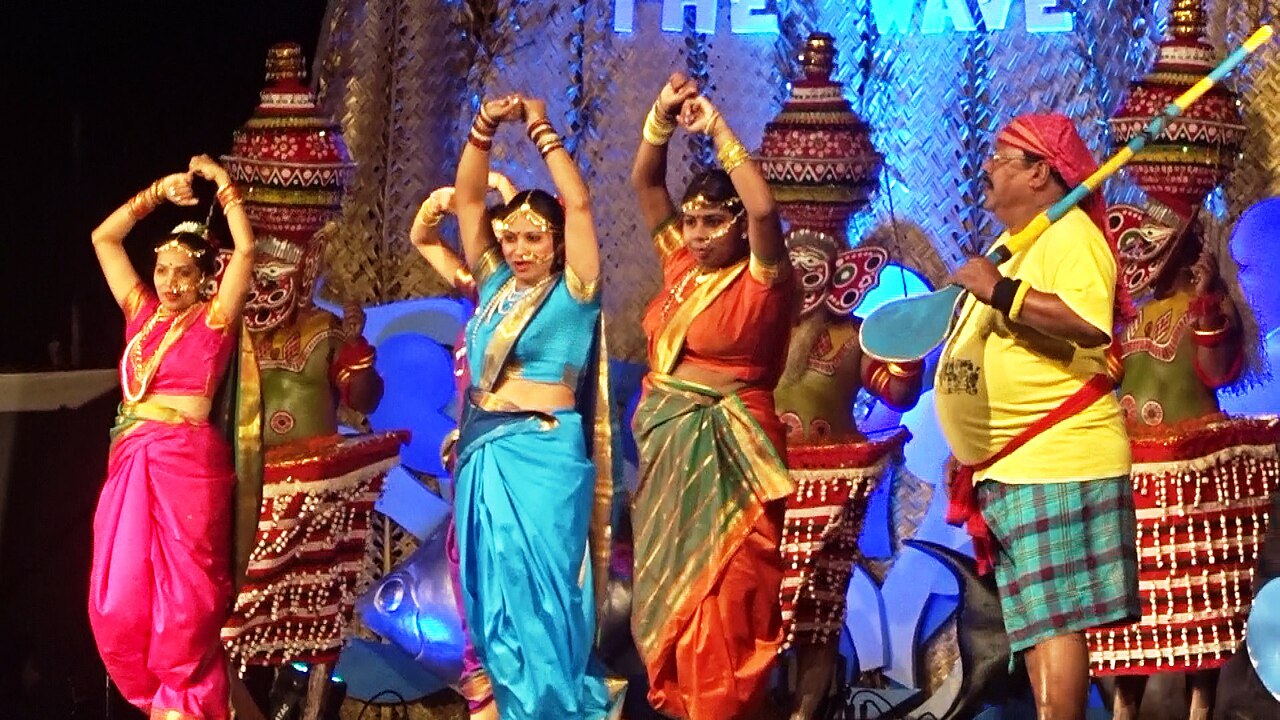
One striking example is the Dekhni, a semi-classical Goan dance form that blends Indian classical movement with Western musical influence — often performed by women in traditional dress, telling a story through gesture as much as song.
Sources: Wikipedia — Konkani people, Dekhni. Photo: Joegoauk Goa, CC BY-SA 2.0, via Wikimedia Commons.
Festivals
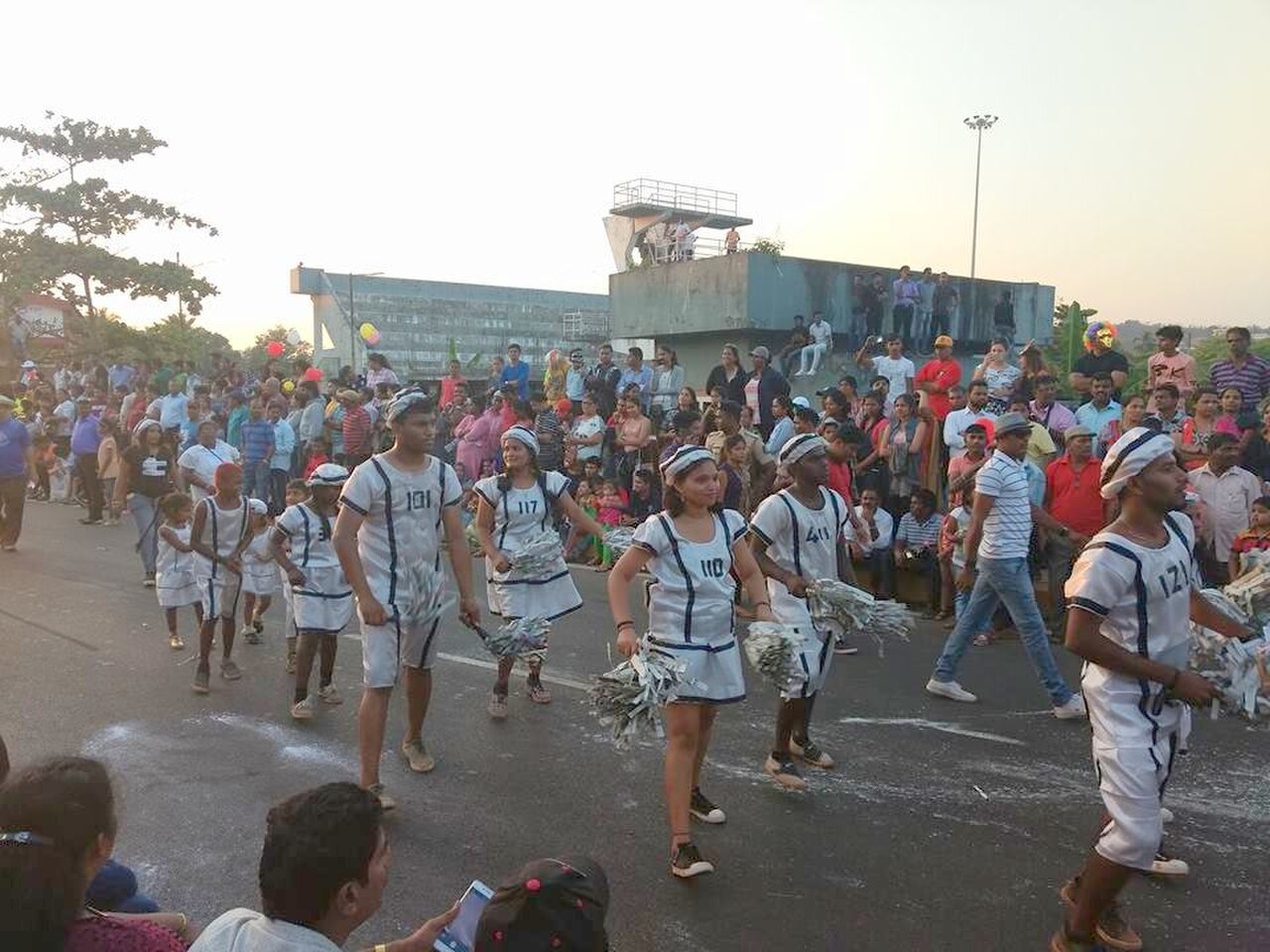
The Goa Carnival is the largest in India and one of the few traditional Western Christian carnival celebrations in Asia. Held in February, King Momo takes over the state for three days and nights of parades, floats and music — the modern version was modelled on Rio's Carnival in 1965 by Goan musician Timoteo Fernandes to attract tourism, and has been a highlight of the Goan calendar ever since.
Source: Wikipedia — Carnival in Goa. Photo: Donkey335, CC BY-SA 4.0, via Wikimedia Commons.
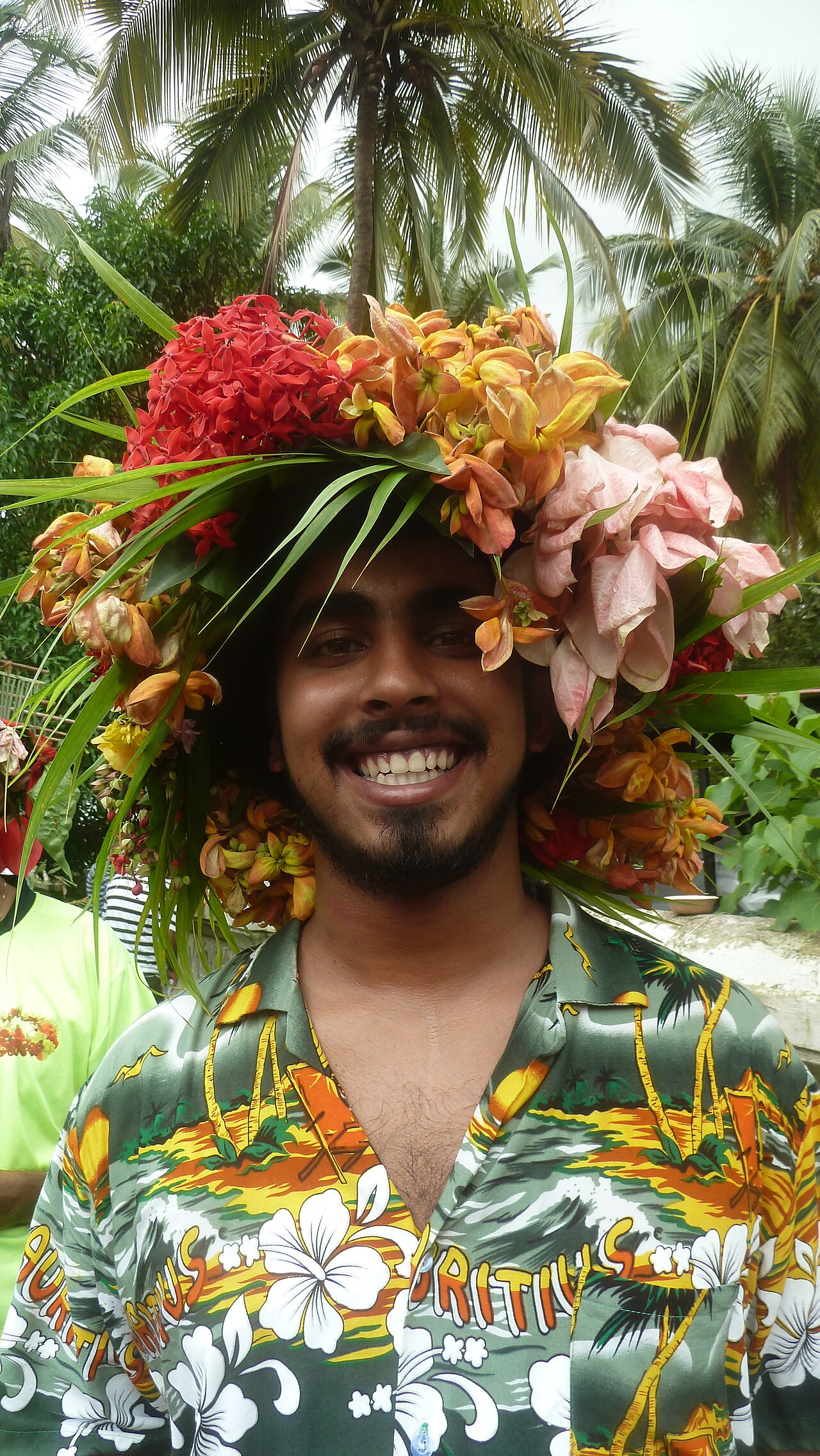
São João
Celebrated on 24 June, young Goan Catholics leap into wells, streams and ponds after Mass to honour the birth of St John the Baptist — a tradition that also marks the arrival of the monsoon.
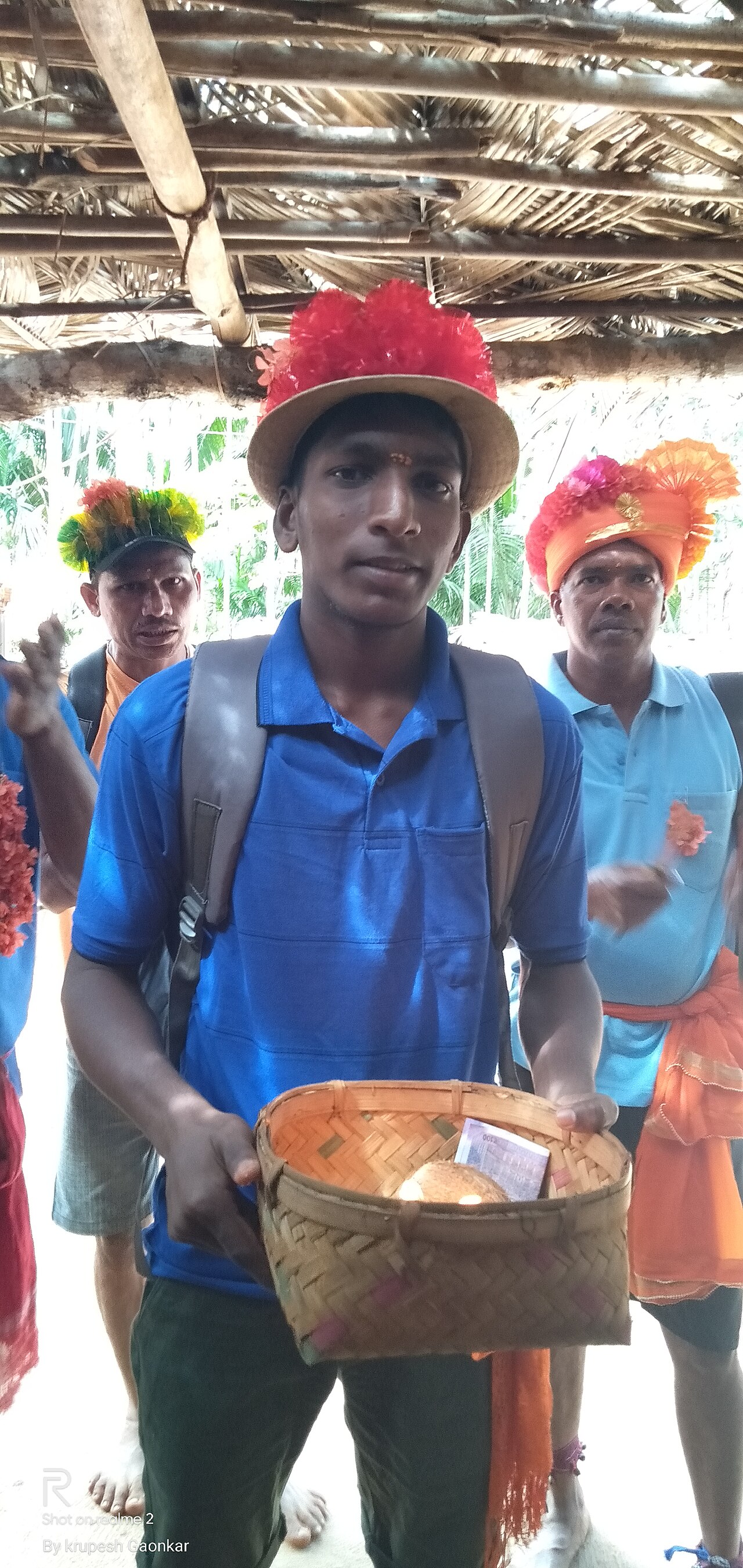
Shigmo
A spring festival and one of Goa's major Hindu celebrations, incorporating Holi, colourful processions and traditional folk dance and drumming.
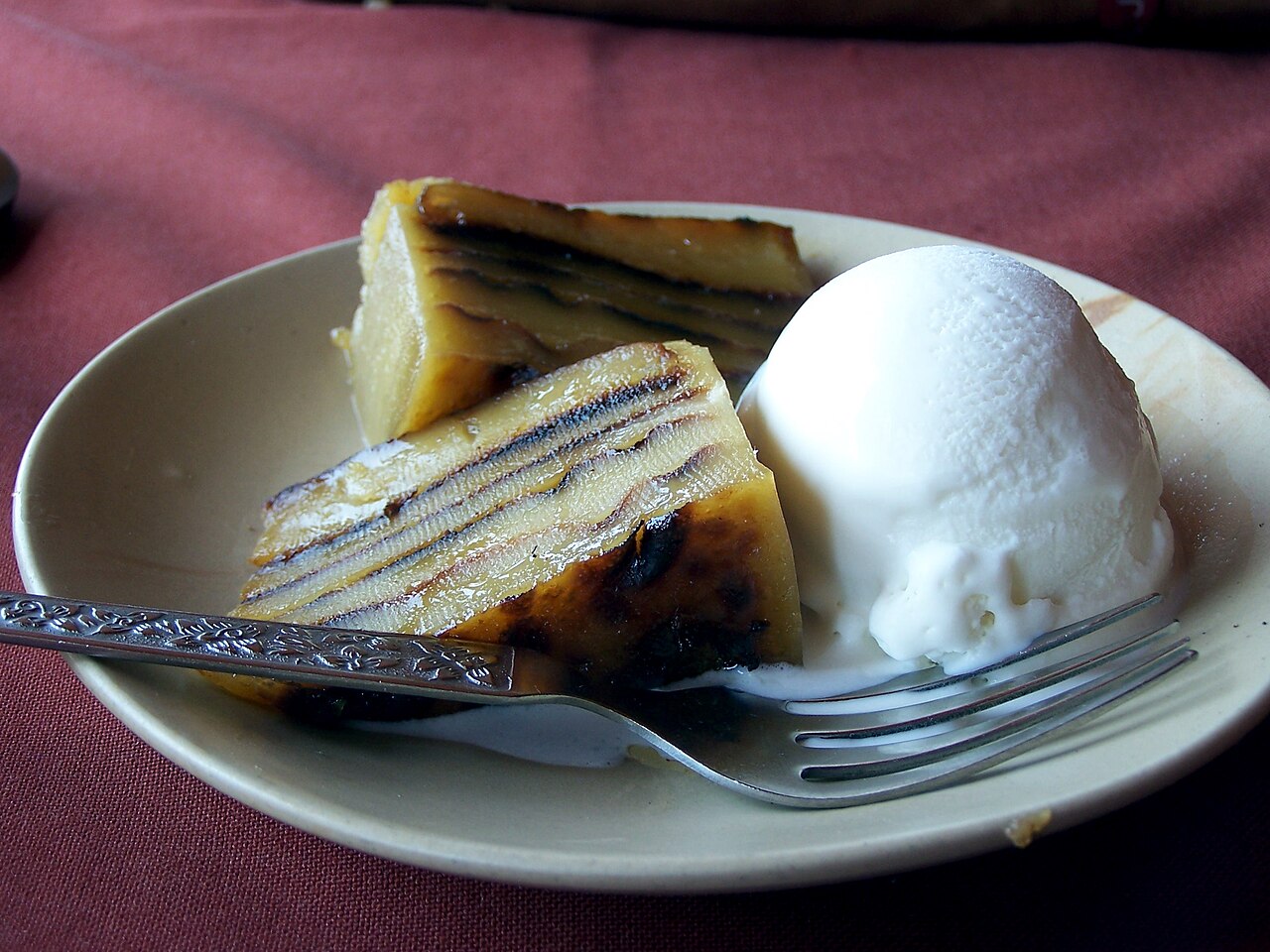
Monti Fest
Held on 8 September, this Catholic harvest festival celebrates the Nativity of the Virgin Mary and traditionally sees the first offering of the new corn crop blessed in church.
Sources: Wikipedia — São João Festival in Goa, Shigmo, Monti Fest. Photos: Frederick Noronha (CC BY-SA 4.0) and Wikimedia Commons contributors, via Wikimedia Commons.
Music & Tiatr
Tiatr is Goa's own musical theatre tradition — performed in Romi Konkani with music, dance and often sharp social satire, popular not just in Goa but among Goan communities in Mumbai and across the diaspora, including the UK.
The Mando is a slower, more romantic musical form that developed among Goan Catholics in the 19th and 20th centuries, blending local Goan melody with Western musical structure — the major theme is almost always love.
Goan Migration to Britain
The Goan community in the UK reflects several distinct waves of migration: early seafaring Goans who settled in London from the mid-19th century onward; Goans who arrived from former British colonies in East Africa during the 1960s and 1970s; Goan doctors, dentists and other professionals who came directly from India; and more recent arrivals holding Portuguese passports, available to Goans born before the end of Portuguese rule in 1961.
Many overseas Goans settled in Swindon, Leicester and London — particularly Wembley and Southall — where community associations, social clubs and parish groups continue to celebrate Goan Catholic feast days, Konkani language and culture, and mutual support among the diaspora. Ami Goans exists to help connect and strengthen that community across the UK today.
Sources: Wikipedia — Goan Catholics under the British Indian Empire; community information from the Goan Association UK.
Community Photos
Share PhotosOld pictures, timeless treasures — shared by the community.
No community photos have been shared yet. Be the first.
From the Community
Siddha Sardessai's Facebook Page on Goa
Shared by Osmond A Menezes
I came across Siddha Sardessai’s Facebook page while exploring Goa’s heritage and found a wonderful collection of photographs, stories and information showcasing different aspects of Goan history, culture and heritage. What particularly stood out to me was how the content reflects Goa’s unique identity — where Hindu, Catholic, Muslim and other communities have lived alongside one another, each contributing to the culture and heritage we share today. It beautifully represents something we want to celebrate and preserve through Ami Goans: “Different in faith. One in spirit. That is Goa.” By sharing and linking to resources like this, we hope to help preserve these stories, photographs and memories while ensuring the original contributors are recognised and credited.
Do You Know Something We're Missing?
This page will always be a work in progress. If you know a story, have an old photo, a link to a Facebook post, or a website that belongs here, we'd love to include it — with your name attached, if you'd like.
Add to This Page