
Do You Know Something We're Missing?
This page will always be a work in progress. If you know a story, have an old photo, a link to a Facebook post, or a website that belongs here, we'd love to include it — with your name attached, if you'd like.
Add to This PageGoa was the capital of Portuguese Asia and a major centre of Catholic evangelisation from the 16th century onward, earning the city the nickname "Rome of the East" for the sheer number and scale of its churches. A cluster of these buildings in Old Goa — the former capital, largely abandoned after the seat of government moved to Panaji in 1759 — was declared a UNESCO World Heritage Site in 1986, recognised for spreading European Baroque and Mannerist architecture across Asia and for the tomb of Francis Xavier housed in the Basilica of Bom Jesus.
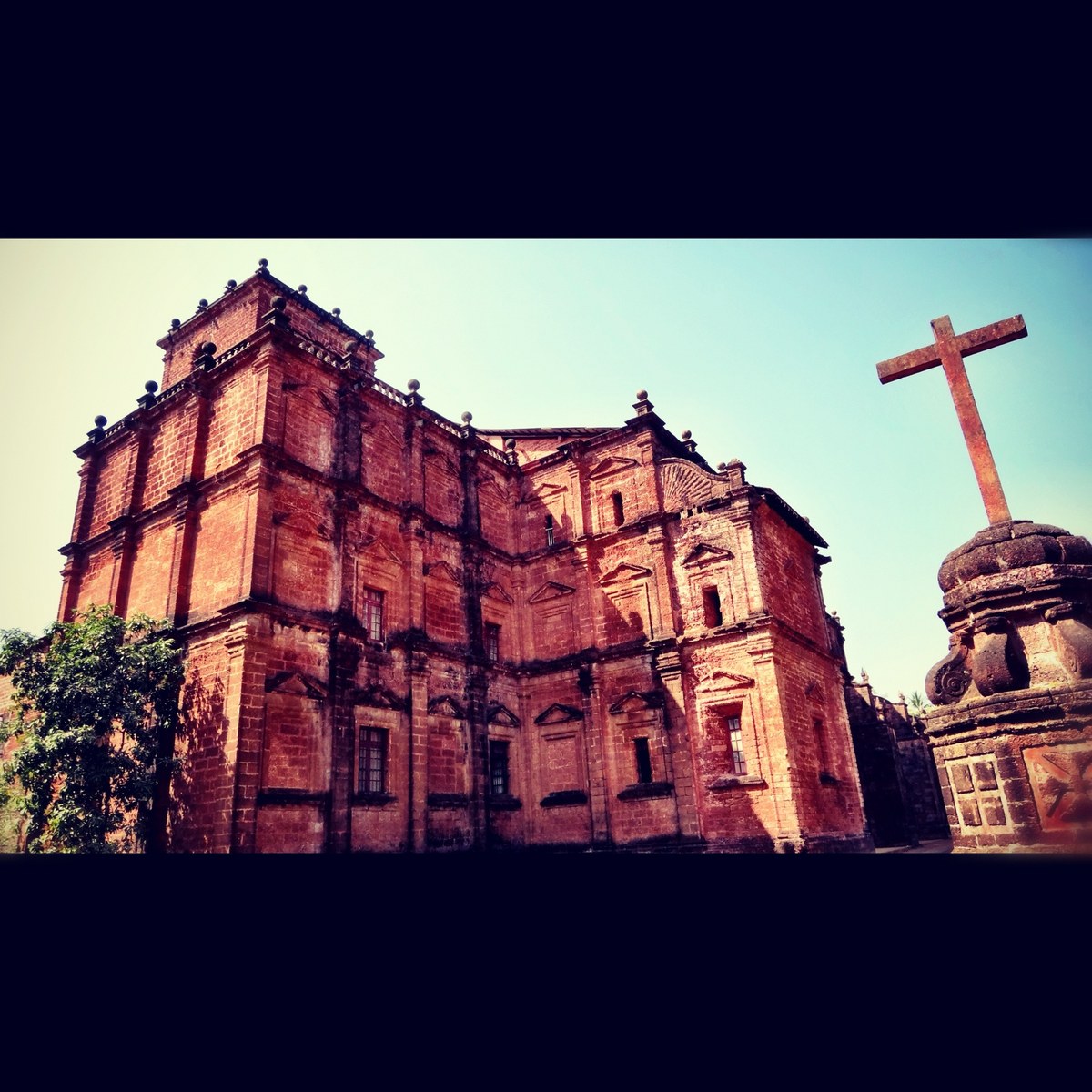
Basilica of Bom Jesus
Begun in 1594 and consecrated in 1605, the Basilica of Bom Jesus is Old Goa's best-known church, built by the Jesuit order and still holding the remains of Francis Xavier in a silver casket. Its Mannerist facade and richly decorated interior led to it being named one of the Seven Wonders of Portuguese Origin in the World in 2009.
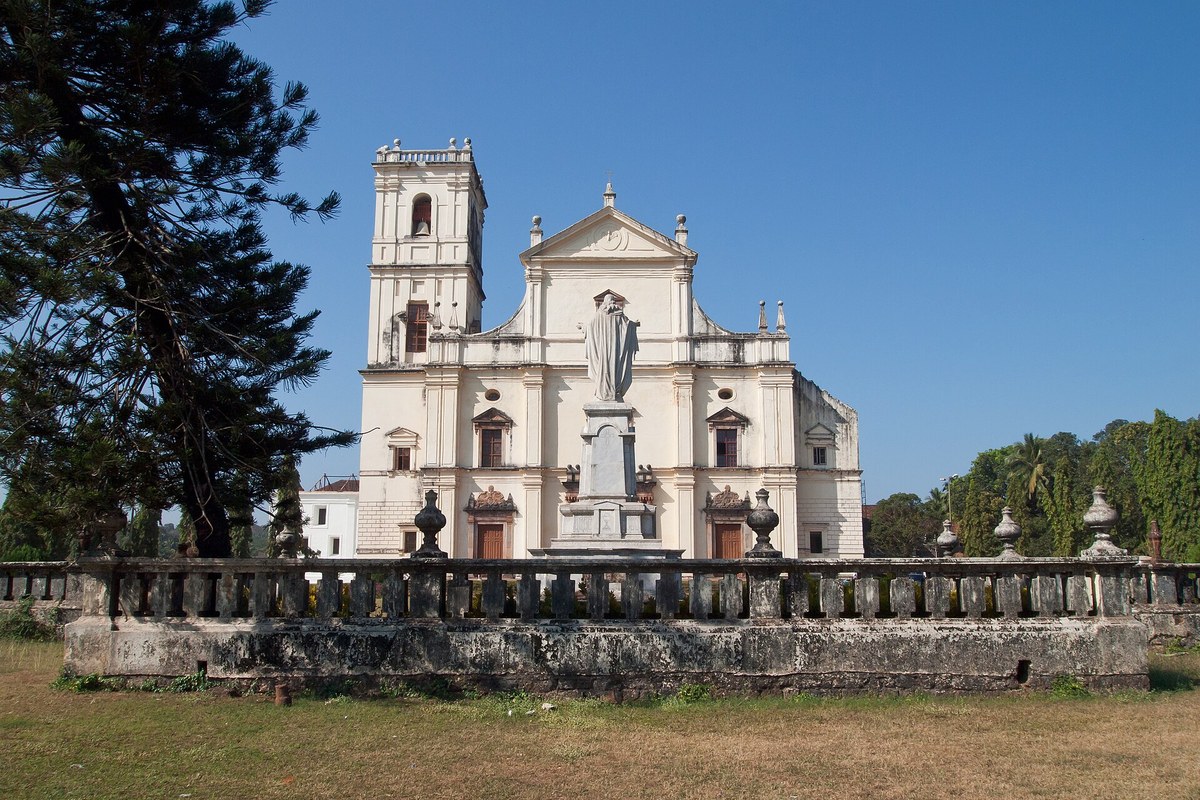
Sé Cathedral
Dedicated to St. Catherine of Alexandria, the Sé Cathedral is the largest church built by the Portuguese anywhere in Asia. Construction began in 1562 and dragged on for decades — the main body wasn't finished until 1619, and the facade not until 1631. One of its original two towers was destroyed by a storm in 1766, leaving the asymmetric profile visitors see today.
More of Old Goa's Churches
Church of St. Francis of Assisi — built by the first religious order to settle in Goa, the Franciscans, in 1521 and substantially rebuilt from 1661, keeping an earlier Manueline-style doorway in its otherwise Mannerist facade.
Church of St. Cajetan — completed in 1665 by Italian Theatine friars and modelled on St. Peter's Basilica in Rome, right down to its central dome.
Chapel of St. Catherine — marks the spot where Afonso de Albuquerque is said to have entered the city during the 1510 conquest; it was granted cathedral status in 1534, before the Sé Cathedral was built.
Ruins of the Church of St. Augustine — an Augustinian church begun in 1597, now mostly collapsed; a single 46-metre bell tower is the most recognisable remnant on Old Goa's skyline.
Church of Our Lady of the Rosary — built in 1543, the oldest of Old Goa's surviving churches, with a fortress-like exterior typical of early Portuguese colonial architecture.
Text summarised from the Wikipedia article Churches and convents of Goa, available under the CC BY-SA 4.0 licence.
Visiting Old Goa
Old Goa is about 10km east of Panaji and easily reached by bus, taxi or rickshaw. The Basilica of Bom Jesus, Sé Cathedral and the other monuments above sit within walking distance of each other, so most visitors cover the main sites in half a day. The Basilica and Cathedral are active churches with regular Mass timings, so dress modestly and expect them to be busier around major feast days such as the Feast of St. Francis Xavier each December.
Do You Know Something We're Missing?
This page will always be a work in progress. If you know a story, have an old photo, a link to a Facebook post, or a website that belongs here, we'd love to include it — with your name attached, if you'd like.
Add to This Page